Bringing Life to the Waste Bin: A Smarter Approach to Laboratory Waste Management in Kenya
March 16, 2026, 07:15 GMT
In laboratories across Kenya, critical diagnostic work is happening every day — from tuberculosis (TB) testing to disease surveillance and research. But behind the microscopes and molecular platforms lies a growing, urgent challenge: medical waste management.
For Ronald Odero, a Kenyan laboratory technical advisor working closely with the Ministry of Health, Research World Partnership and Futulife Research Foundation Consortium, this challenge isn’t theoretical. It’s personal, practical, and increasingly urgent.
Now, through the BioPREVAIL Built Environment Design Challenge, Ronald and his team at Research World Partnership are reimagining how laboratory waste is handled — starting with a bold idea: what if we could bring life to the waste bin?
Currently based in Kenya and working across research and programmatic laboratory systems, Ronald has spent years observing how waste is handled in real-world settings. From TB laboratories to molecular diagnostic platforms, he has seen firsthand how resource constraints, infrastructure limitations, and donor-dependent systems shape laboratory operations. As international funding begins to decline and programs transition to government ownership, the need for sustainable, locally driven solutions has become more urgent than ever.
Ronald discovered the BioPREVAIL challenge through a LinkedIn call for laboratory-focused innovations. After connecting with leadership and sharing multiple ideas, he ultimately focused on a project addressing a critical gap: unsafe and inefficient laboratory waste management. His concept, the SL-BioLock Smart Wastebin, centers on transforming the traditional waste bin into an intelligent, regulated system that improves safety, accountability, and efficiency.
The Problem No One Wants to See
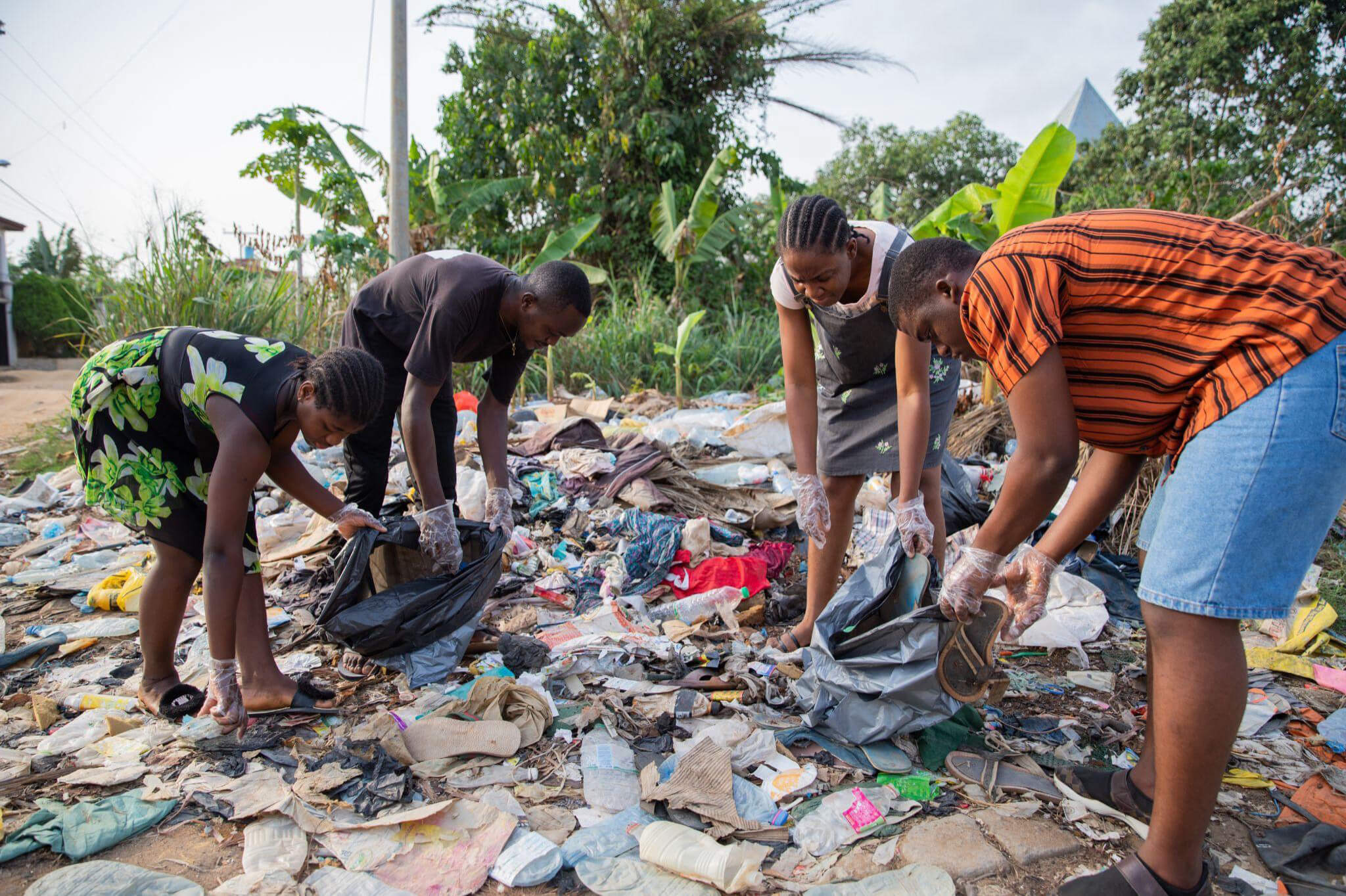
Medical waste management in Kenya — and across much of Africa — is under strain.
There are approximately 14,000 registered government health facilities in Kenya. More than 70 percent of Kenya’s public health facilities report routine bin overflow. Ronald estimates that the true number of facilities, including small private clinics, could be double that. Each produces medical waste daily.
And yet:
- Segregation practices are inconsistent
- Disposal machinery breaks down due to improper waste sorting
- Waste is often transported manually, increasing injury risk
- Weight documentation is duplicated and unreliable
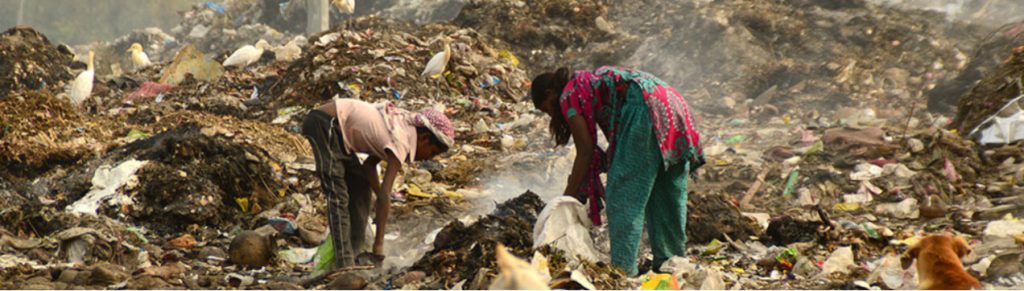
- Hazardous materials can end up in community dumping sites
In some laboratories, bins are essentially “dead” — passive containers that allow incorrect disposal with no accountability or data capture.
As Ronald puts it, “If we think medical waste is not a problem, we are sitting on a time bomb.”
The Smart Waste Bin Concept
In many laboratories, waste segregation remains inconsistent despite training. Staff may dispose of sharps, glass, biological waste, and general materials in the wrong containers, often due to convenience or workflow pressures. This poor segregation leads to equipment damage, such as shredders and autoclaves breaking when metal or glass enters the wrong waste stream, as well as increased exposure risks for healthcare workers who manually transport and handle waste. Ronald also notes that many laboratories operate in repurposed rooms without temperature control, dust regulation, or proper design, further complicating safe waste handling practices.
Rather than relying solely on training to correct human behavior — which he notes changes slowly — the system introduces structural safeguards.
“If you give someone a bin, they will use it however they want,” Ronald explains. “But if you design the system so that only the correct action is possible, you remove the opportunity for error.”
The design allows users to deposit waste through a controlled entry point while restricting full access to authorized custodial staff. Integrated sensors and weighing systems would log waste data automatically, alert teams when bins reach optimal capacity and reduce repeated manual weighing at disposal sites. By minimizing direct contact points and unnecessary handling, the system could significantly lower injury risks, improve documentation accuracy, and enhance compliance with national waste regulations.
A Sustainable Business Model for Local Ownership
Beyond safety, the innovation addresses long-term sustainability. Ronald envisions a model where facilities lease regulated bins and are charged based on waste weight, creating a self-sustaining system that funds maintenance and disposal capacity. Proper segregation could also enable partial recycling of non-contaminated materials, reducing incineration volume and operational costs while supporting environmental goals.
Ronald is not just designing a device. He is thinking about sustainability.
Rather than selling bins outright — which would require government procurement and long-term maintenance contracts — he envisions a subscription-based model:
- Facilities lease smart bins
- Waste is charged by weight (per kilogram)
- Revenue supports maintenance and disposal capacity
- Recycling offsets operational costs
This model could extend beyond government facilities to private clinics that are currently outside structured waste networks.
“If we can charge per kilo and control segregation properly,” Ronald says, “we can fund disposal systems sustainably — without waiting for donor funding.”
Building a Local Innovation Ecosystem
One of the most powerful aspects of this project is that it is locally conceived, locally led, and locally prototyped. Ronald is intentionally building a consortium of Kenyan innovators — proving that world-class laboratory solutions do not need to be imported to be effective.
This aligns directly with BioPREVAIL’s mission: advancing context-appropriate, locally driven innovation in global health security.
With an estimated 14,000 registered health facilities in Kenya — and likely many more private clinics producing medical waste outside formal networks — the potential scale of impact is significant. He believes that a regulated, data-driven waste system could also strengthen government oversight and accountability, especially in preventing unsafe disposal practices that sometimes result in medical waste appearing in community spaces.
Through BioPREVAIL, Ronald’s goal is to develop a functional prototype and demonstrate that locally designed innovations can solve complex laboratory challenges. More than a product, his vision represents a shift toward sustainable, context-specific infrastructure.
By bringing intelligence, automation, and sustainability into something as simple as a waste bin, he is demonstrating that innovation doesn’t always require new diagnostics or new drugs. Sometimes, it requires rethinking the systems we overlook.
And in doing so, he may be setting a new standard — not just for Kenya, but for laboratory systems worldwide. As he puts it: “If we could bring life into the waste bin, that could be one step toward taming how medical waste moves.”
And that step could change everything.